OHMA EXHIBITS: a collection of interactive oral history encountersMain MenuOHMA Presents: Presence (2026)Annotations on Memory (2025)Our Inheritance (2024)ROⓊTED (2023)Inside Out + Outside In (2022)Listen Here (2021)Accessibility Design NotesStatement on accessibility philosophy, content, features, and functionality.I'm here for a specific exhibit!All exhibits listed by title & curatorRecommendationsPaths to help you choose an exhibit based on your preferencesExplore VisuallyExhibit visualizationsThanks & Acknowledgements
2025 Yuri Fujita
12025-04-03T19:19:46+00:00Carlin Liu Ziaf35c69e953cd4001ddc41bd48e720246e1701a0841plain2025-04-03T19:19:46+00:00Carlin Liu Ziaf35c69e953cd4001ddc41bd48e720246e1701a08Yuri Fujita is on a journey of listening practice. For over a decade, she reported stories to the public as a journalist for the Japanese Broadcasting Corporation. Now, at OHMA, she is expanding her approach to exploring the complexity of individual lives—to see and hear the world as a collage of voices. Her long-term interests lie in documenting political and historical movements and their impact on people’s everyday experiences.
This page is referenced by:
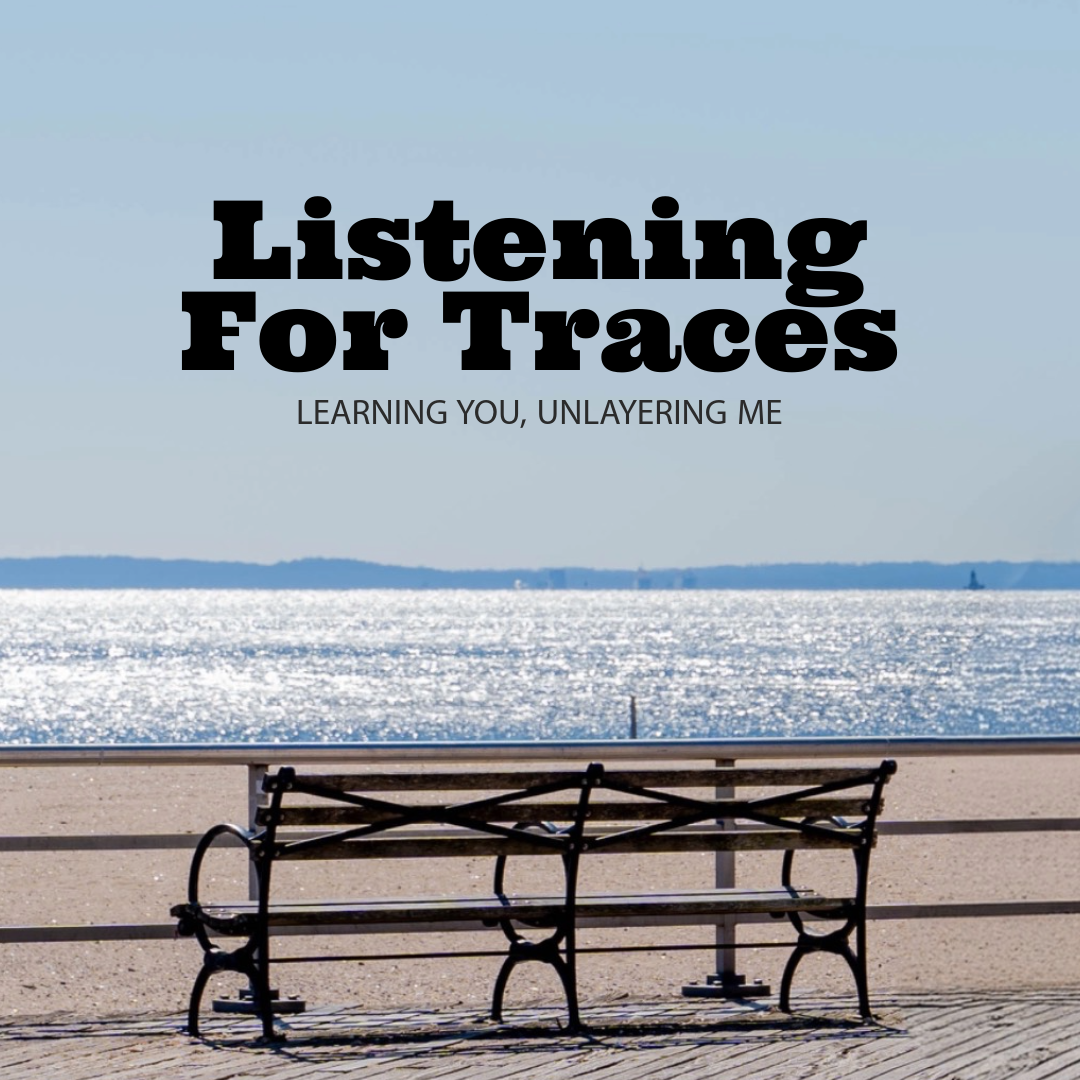
1media/Listening For Traces_Square - Yuri K Fujita.pngmedia/Listening For Traces_Square - Yuri K Fujita.pngmedia/Listening For Traces_Square - Yuri K Fujita.png2025-04-03T19:21:29+00:00Listening For Traces: Learning You, Unlayering Me (2025)14This documentary film is a private oral history exchange between me—the oral historian—and my narrator. It creates space for the act of listening between us.plain2025-05-28T14:50:51+00:0040.5781° N, 73.9597° WYuri Fujita
By Yuri Fujita
This self-reflective short film and accompanying photo essay explore what it means to truly listen—to others and oneself. At its center is a conversation with a woman Yuri met in Brighton Beach, part of a larger project listening to individuals displaced by the full-scale invasion of Ukraine—both Ukrainians and those from Russia. The project traces how stories live in the body and resurface over time through narration, metaphor, and personal memory.
NOTE: This in-person, private exhibit was accessible by invitation only, but a short clip of the film is available to the public